


Corporate Foundations and Overall Strength
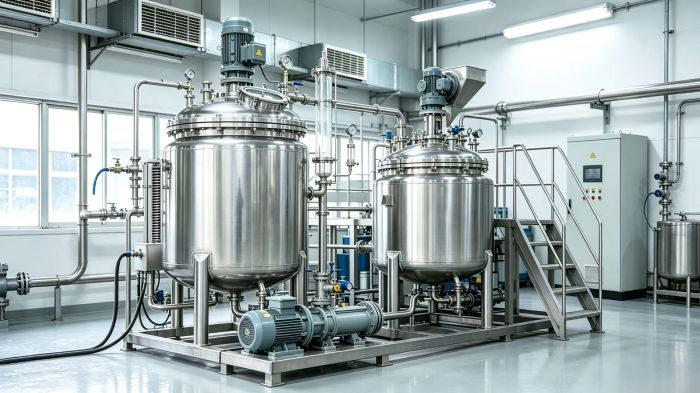
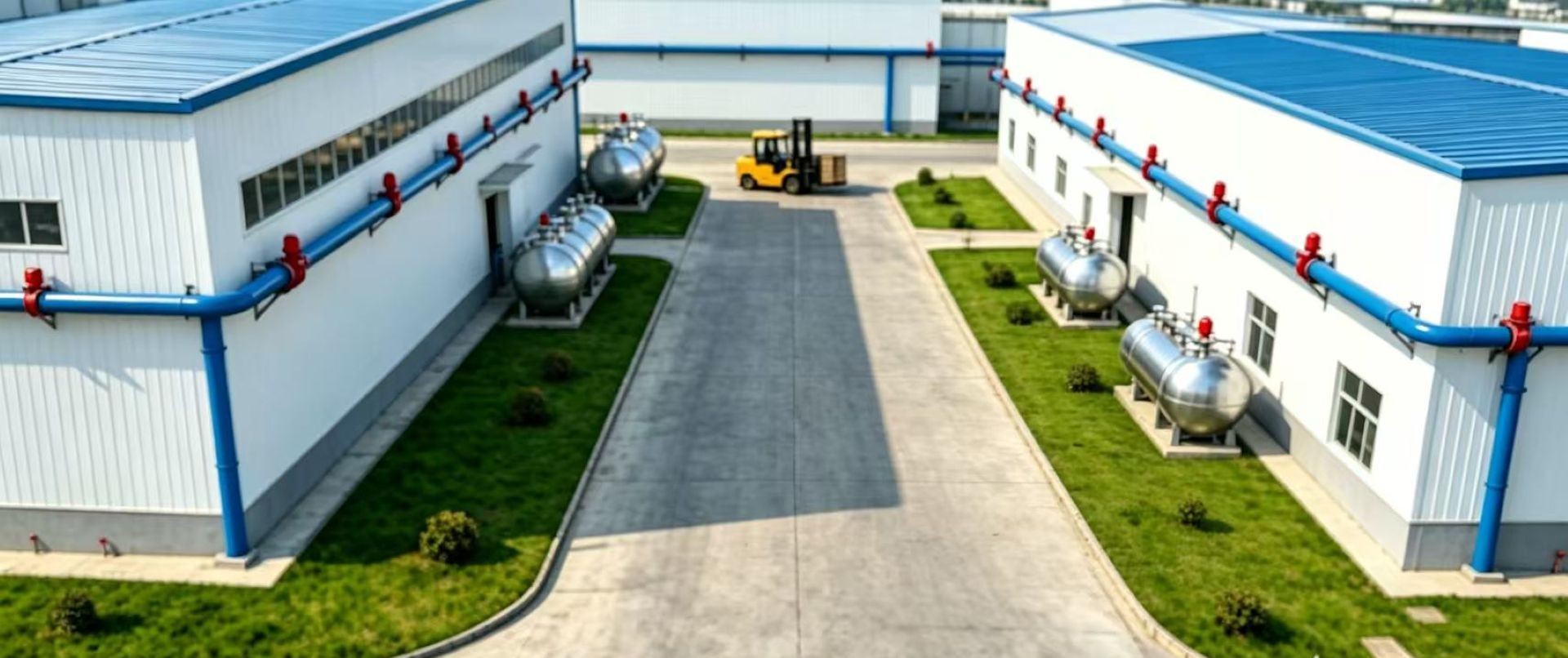
Qingdao Faron Specialty Chemicals (Faron Chem) sticks to the philosophy "Green-based, Innovation-driven". Supported by Qingdao University of Science and Technology’s chemical technologies, we have evolved into a leading fine chemical enterprise over a decade, integrating polymer processing, nanomaterial R&D and tech commercialization.
Main Products and Market Presence
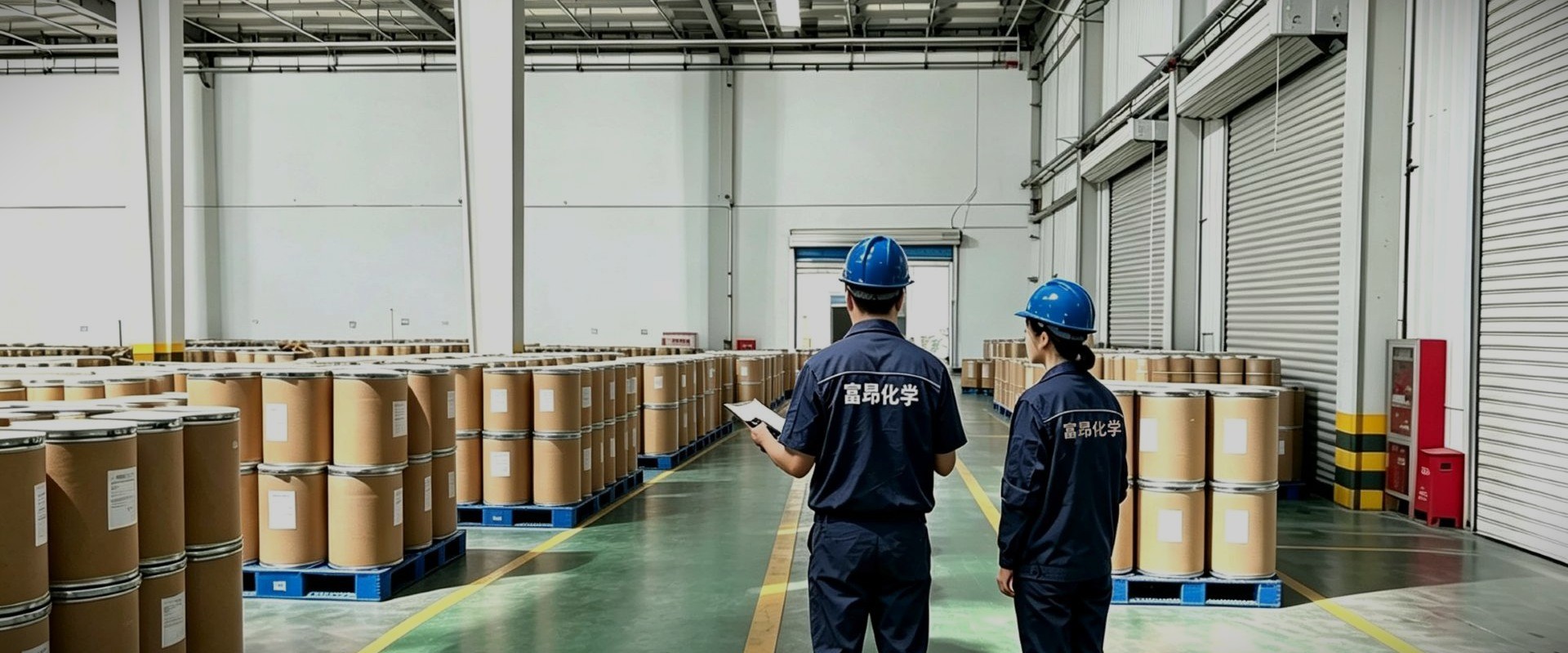
Here, innovation is our driving force, and quality is our commitment. The company focuses on core areas of fine chemicals, specializing in the PVP series, fluoro-iodine pharmaceutical intermediates, feed additives, raw materials for disinfectants, customized silver products, and nano-modified materials. The company has established a product portfolio anchored by mature products such as polyvinylpyrrolidone (PVP), polyvinylpyrrolidone iodine, chlorhexidine free base, sodium polyacrylate, sodium alginate, sodium hyaluronate, and fluorobromine group intermediates as its pillars; high-end catalysts such as fluorinated new materials and nanomaterials as its breakthroughs; and customized silver-based fine chemicals as its extensions. Anchored in the industry’s core supply chain, the company has established a full-chain service system. Its products are sold nationwide and exported to dozens of countries and regions overseas, earning deep trust and widespread acclaim from both domestic and international customers.
03
2026 - 08
A Comparison of Synthesis Routes for Chlorhexidine Active Pharmaceutical Ingredients and a Discussion on Their Industrial Application Prospects Chlorhexidine, as a broad-spectrum antimicrobial agent, is widely used in medical disinfection, oral care, skin disinfection, and medical device sterilization. The synthesis process of its active pharmaceutical ingredient (API) directly impacts product quality, production costs, and environmental sustainability, thereby influencing the prospects for industrial application. This paper aims to systematically compare the technical characteristics, economic viability, and environmental performance of current mainstream chlorhexidine synthesis routes, and to thoroughly explore the key drivers and potential challenges for its future industrial development. I. Overview of the Main Synthesis Routes for Chlorhexidine API Chlorhexidine is a biguanide compound; the core of its synthesis lies in linking two p-chlorophenyl biguanide units to a hexamethylene chain. Currently, the following three synthetic routes are primarily used in industrial production: Route A: p-Chloroaniline–dicyanamide condensation. Using p-chloroaniline as the starting material, it reacts with dicyanamide under acidic conditions…
21
2026 - 07
Analysis of the Advantages of Copovidone VA64 in Pharmaceutical Formulations In modern pharmaceutical formulation technology, the selection of excipients has a decisive impact on drug stability, bioavailability, and manufacturing processes. Copovidone VA64, a linear random copolymer composed of N-vinylpyrrolidone (NVP) and vinyl acetate (VA), demonstrates significant application advantages in solid dosage forms, liquid formulations, and novel drug delivery systems. This article will systematically analyze the core value of Copovidone VA64 in pharmaceutical formulations from the perspectives of solubility, binding capacity, thermal stability, compatibility, and process adaptability, and explore its practical application scenarios in formulation development. I. Physicochemical Properties and Formulation Suitability of Copolymerized Vitamin E VA64 The molecular structure of copolymerized Vitamin E VA64 confers amphiphilic characteristics: the NVP units provide hydrophilicity, while the VA units…
21
2026 - 07
Comparative Analysis of the Properties of Type A and Type B Cross-Linked Povidone Powders: Key Differences in Pharmaceutical and Industrial Applications Cross-linked povidone (Crospovidone, abbreviated as PVPP), as a widely used polymer, plays a crucial role in the pharmaceutical, food, and cosmetics industries. Its unique cross-linked structure endows it with exceptional water absorption, swelling, and disintegration properties. However, depending on the manufacturing process and physicochemical properties, cross-linked povidone is typically classified into Type A and Type B powders. This article will conduct an in-depth comparative analysis of the properties of these two types, aiming to provide a detailed technical reference for R&D personnel, production managers, and quality control experts in related fields. I. Basic Definitions and Differences in Production Processes Between Cross-Linked Polyvinylpyrrolidone Type A and Type B Powders The core distinction between cross-linked polyvinylpyrrolidone Type A and Type B powders lies in the control of the degree of cross-linking during the polymerization process and the post-processing procedures. Type A powder typically has a higher cross-linking density…
13
2026 - 07
A Discussion on Optimization Pathways and Analysis of Key Technologies for the Silver Carbonate Production Process As an important inorganic compound, silver carbonate is widely used in the electronics industry, catalyst preparation, silver salt photographic materials, and pharmaceutical intermediates. The efficiency of its production process directly affects product quality, production costs, and environmental sustainability. Currently, industrial production of silver carbonate primarily relies on the double displacement reaction between silver nitrate and sodium carbonate or ammonium bicarbonate; however, traditional processes suffer from issues such as low reaction yields, difficulties in byproduct treatment, and high energy consumption. Therefore, a systematic exploration of optimization pathways for the silver carbonate production process holds significant practical importance for enhancing industrial competitiveness and achieving green manufacturing. Current Status and Limitations of Traditional Silver Carbonate Production Processes Traditional silver carbonate production processes typically use metallic silver or silver scrap as raw materials. Silver nitrate solution is prepared by dissolving the silver in nitric acid, which is then reacted with a sodium carbonate solution under specific temperature and pH conditions to form a precipitate. The reaction equation is: 2Ag…
13
2026 - 07
Quality Control and Stability Studies in the Production Process of Povidone-Iodine Povidone-iodine, as a broad-spectrum disinfectant, is widely used in the medical, healthcare, and food industries. Its production process involves several critical stages, and quality control and stability studies are essential to ensuring the product’s safety and efficacy. This paper systematically explores key issues in the povidone-iodine production process—including raw material selection, production process control, finished product testing, and stability evaluation—with the aim of providing a technical reference for relevant fields. Raw Material Quality Control and Process Parameter Optimization: The production of povidone-iodine relies primarily on povidone (PVP) and iodine as raw materials. The molecular weight distribution of povidone directly affects the product’s complexing ability; its K-value must be strictly tested using the viscosity method or gel permeation chromatography (typically 30±5) must be strictly monitored using viscosity or gel permeation chromatography. The purity of iodine should be no less than 99.51%, and levels of heavy metal impurities (such as arsenic and lead) must not exceed specified limits. Regarding process parameters, the reaction temperature should be controlled between 40 and 50°C…
13
2026 - 07
A Study on the Relationship Between the K-Value and Molecular Weight of Polyvinylpyrrolidone and Its Applications Polyvinylpyrrolidone (PVP) is an important water-soluble polymer. Due to its excellent solubility, film-forming properties, adhesion, and biocompatibility. PVP’s molecular weight is a key parameter determining its physicochemical properties and functional performance, and the K-value, as a core indicator characterizing PVP’s molecular weight, plays an irreplaceable role in both scientific research and industrial production. This paper aims to systematically explore the intrinsic relationship between the K-value and molecular weight of polyvinylpyrrolidone and to thoroughly analyze its practical significance in various application scenarios, with the goal of providing a theoretical reference for researchers and practitioners in related fields. I. Definition and Measurement Principles of the K-Value of Polyvinylpyrrolidone The K-value is a characteristic parameter describing the relative molecular weight of PVP; its numerical value…
19
2026 - 07
Analysis of the Current Status and Future Prospects of the Cross-Linked Povidone Market: Key Drivers and Future Trends: As a high-performance pharmaceutical excipient and industrial additive, cross-linked povidone (Crospovidone, abbreviated as PVPP) holds an irreplaceable position in the global pharmaceutical, food, cosmetics, and industrial sectors due to its exceptional disintegration properties, adsorption capacity, and stability. In recent years, with the advancement of generic drug bioequivalence evaluations, innovations in oral solid dosage form technology, and rising consumer demands for the quality of health products, the market landscape for cross-linked polyvinpovidone is undergoing profound changes. This article will provide a systematic analysis of the cross-linked povidone market from four perspectives: current applications, technological evolution, regional market dynamics, and future prospects. I. Core Application Areas and Current Market Status of Cross-Linked Polyvinylpyrrolidone The primary function of cross-linked polyvinylpyrrolidone lies in its exceptional water-absorption and swelling capacity, making it the preferred super-disintegrant for tablets and capsules. In the manufacture…
13
2026 - 07
Cutting-Edge Applications and Future Prospects of Nanomaterials in the Biomedical Field With the rapid development of nanotechnology, nanomaterials—thanks to their unique physicochemical properties, such as the small-size effect, surface effects, and quantum size effects—are profoundly transforming research paradigms and clinical practices in the biomedical field. From disease diagnosis to targeted therapy, and from tissue regeneration to biosensing, nanomaterials are demonstrating unprecedented potential. This article aims to systematically review the cutting-edge applications of nanomaterials in the biomedical field and conduct an in-depth analysis of their future prospects. Innovative Applications of Nanomaterials in Disease Diagnosis In the field of early-stage disease diagnosis, nanomaterials have significantly enhanced the sensitivity and specificity of detection. For example, colorimetric sensors based on gold nanoparticles can rapidly identify cancer biomarkers through color changes, while quantum dots, due to their stable fluorescent properties, are widely used in multichannel bioimaging. In addition, magnetic nanoparticles in magnetic resonance imaging (MRI)…
13
2026 - 07
Challenges and Response Strategies for the Fluorochemicals Market in the Context of the Green Transition Driven by the global wave of green transition, the fluorochemicals industry—a key component of the chemical sector—is facing unprecedented structural changes. Fluorochemical products are widely used in refrigeration, new energy, electronics, pharmaceuticals, and other sectors; however, the greenhouse gas emissions, environmental risks, and resource consumption associated with their production have made them a key focus of environmental policies. This paper aims to systematically analyze the major challenges facing the fluorochemicals market in the context of the green transition and propose practical response strategies, with the goal of providing guidance for the industry’s sustainable development. I. Core Challenges to the Fluorochemicals Market Posed by the Green Transition First, increasingly stringent environmental regulations represent the primary challenge facing the fluorochemicals industry. With the full implementation of the Kigali Amendment to the Montreal Protocol, the timeline for reducing fluorinated greenhouse gases (such as hydrofluorocarbons, or HFCs) has been continuously accelerated. Governments around the world have successively introduced…
13
2026 - 07
Analysis of the Current Status and Trends in the Global Polyvinylpyrrolidone K30 Market Polyvinylpyrrolidone K30 (PVP K30), as an important water-soluble polymer, holds an irreplaceable position in the global pharmaceutical, cosmetics, food, and industrial sectors due to its excellent binding properties, film-forming properties, solubilizing properties, and physiological inertness, it holds an irreplaceable position in the global pharmaceutical, cosmetics, food, and industrial sectors. In recent years, with the continued expansion of the global pharmaceutical industry and growing demand for high-end cosmetics, the international market for PVP K30 has exhibited a trend characterized by both steady growth and structural adjustments. This paper will conduct an in-depth analysis of the international market for polyvinylpyrrolidone K30 from the perspectives of production capacity distribution, demand drivers, regional market dynamics, and future trends. I. Global Production Capacity and Supply Chain Landscape Currently, global production of polyvinylpyrrolidone K30 is primarily concentrated in North America, Europe, and the Asia-Pacific region. BASF of Germany and Ashland of the United States, as industry leaders…
13
2026 - 07
Assessment of the Povidone-Iodine Raw Material Market Outlook for 2026: Opportunities and Challenges Coexist As a broad-spectrum, highly effective, and low-toxicity disinfectant raw material, povidone-iodine has a wide range of applications in the medical, public health, agricultural, and food processing sectors. With rising global public health awareness and the normalization of disinfection needs in the post-pandemic era, the povidone-iodine raw material market is undergoing a new round of structural adjustments. This article will provide a systematic assessment of the development prospects for the povidone-iodine raw material market by 2026, examining dimensions such as production capacity, demand drivers, technological advancements, and the policy environment. I. Current Status and Size of the Global Povidone-Iodine Raw Material Market As of 2024, the global povidone-iodine raw material market size has exceeded $1.2 billion, with a compound annual growth rate (CAGR) maintaining around 4.5%. As the world’s largest producer of povidone-iodine raw materials, China accounts for approximately 60% of production capacity, primarily concentrated in chemical industry clusters such as Zhejiang, Jiangsu, and Shandong. India…
















Faron Chem: Creating the Ultimate User Experience Through Quality and Sincerity!
If you have any questions, feel free to leave us a message online, and we will get back to you as soon as possible. For more detailed information, feel free to contact us directly via the phone number or email below.

15315323990

sales@faronchem.com

15315323990
Supports custom form fields. This description will be hidden if left blank.